Pond Vegetation Clearance in Thompson & Watton, Norfolk.
Pond Vegetation Clearance in Thompson & Watton, Norfolk: How We Restore Overgrown Ponds Back to Their Best
When a pond starts disappearing under reeds, weeds, and layers of dead plant material, it stops being the wildlife haven it’s meant to be. And in rural areas like Thompson and Watton in Norfolk, this happens more often than most landowners expect. Without regular maintenance, even a well-built pond becomes choked, murky, and difficult for wildlife to use. That’s why pond vegetation clearance is one of the most effective ways to bring a struggling pond back to life.
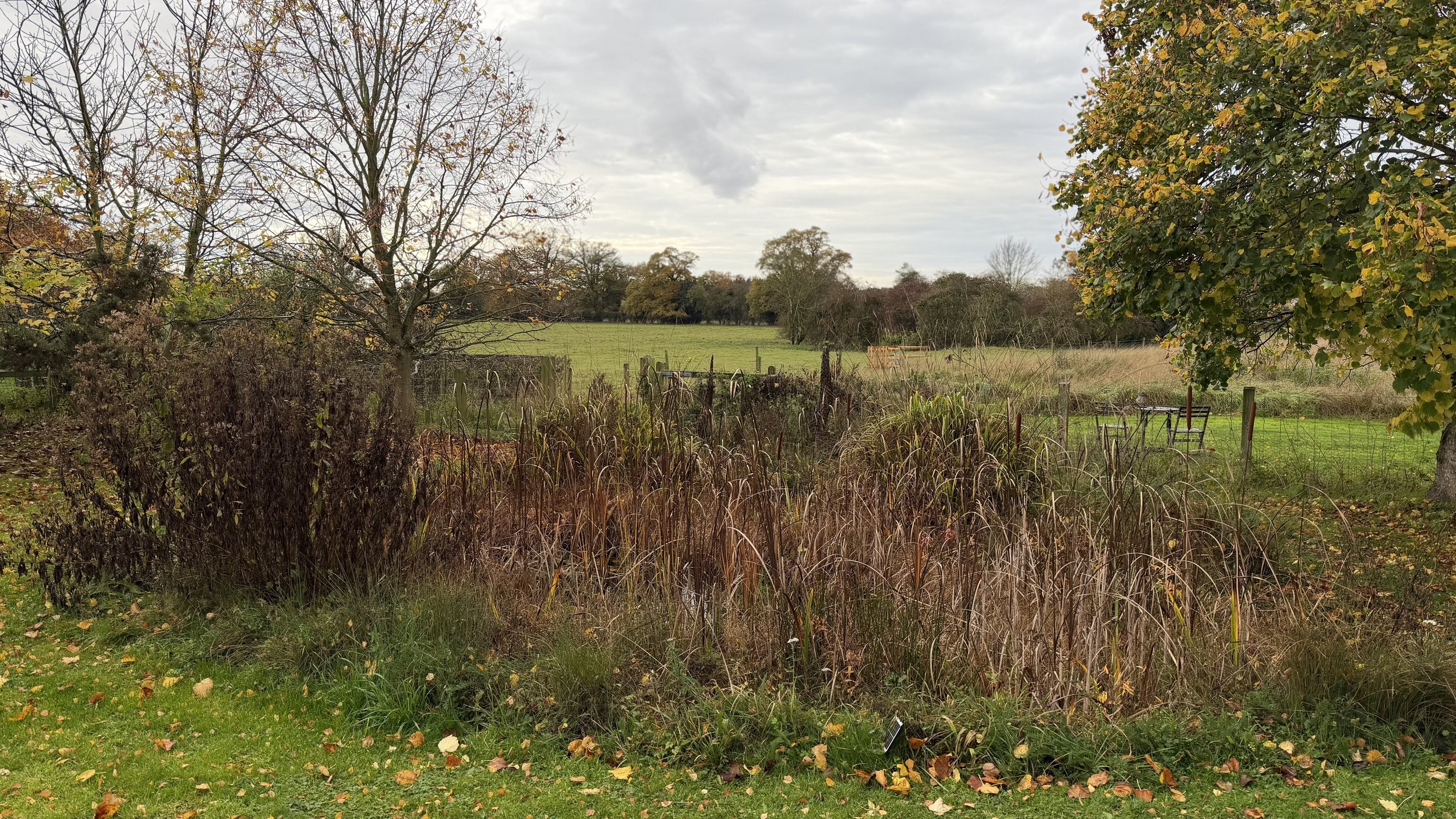
Recently, we were called out to a site on the edge of Thompson and Watton where a once-healthy pond had become completely dominated by overgrowth. What the landowner wanted was simple: a pond that actually looked like a pond again, and a space that could properly support wildlife through the seasons. What they had was a thick mass of reeds, sedges, and silt that had slowly taken over. This project is a great example of the difference the right clearance work can make, and why pond vegetation management in Norfolk is so important.
Why Pond Vegetation Clearance Is Essential for a Healthy Pond
A pond doesn’t stay balanced on its own. Over time, vegetation naturally creeps in and repeats the same cycle: grow, die back, sink to the bottom, create silt, and fuel the next wave of growth. In places like Norfolk, where rural ponds sit next to farmland, woodland, or unmanaged spaces, this cycle speeds up because nutrient levels are higher and windblown debris collects more easily.
Without vegetation clearance, ponds start to suffer from:
1. Loss of open water
Thick reed beds and marginal plants gradually push inward. Before long, the water becomes a narrow channel rather than an open surface.
2. Low oxygen levels
Too much plant material — especially when it dies off — strips oxygen from the water, making it harder for fish, amphibians, and aquatic insects to survive.
3. Rapid silt build-up
The more dead plant material sinks, the faster the pond fills. A silted pond ages prematurely and eventually becomes a marsh.
4. Declining biodiversity
Species like dragonflies, newts, frogs, and water birds rely on open water, mixed vegetation, and sunlight. Overgrown ponds lose that balance.
5. Poor aesthetics and usability
A neglected pond doesn’t just look unloved — it becomes unusable for livestock, unsafe for pets, and unattractive as a landscape feature.
Vegetation clearance breaks this cycle and restores the pond’s ability to support wildlife, stay stable, and look good.
The Situation: An Overgrown Pond in Thompson & Watton
The pond we visited in Thompson and Watton had reached the point where open water was barely visible. Reedmace, sedges, and tall grasses had taken over every edge. The central water area was so shaded and silted that natural light couldn’t penetrate the surface. The landowner hadn’t ignored the pond — they just didn’t realise how quickly vegetation can dominate once it gets going.
They needed a solution that:
Returned the pond to a usable, attractive condition
Protected existing wildlife
Prevented future overgrowth
Encouraged long-term ecological health
We carried out a full assessment before starting work, ensuring we followed best practice for wildlife-friendly pond clearance — a big priority for both the client and us.
The Vegetation Clearance Work We Carried Out
Every pond is different, but this one required a full vegetation management approach to get it back to its original state. Here’s what we did:
1. Selective removal of reed beds and marginals
Instead of stripping the pond bare — which harms wildlife — we selectively removed the densest sections of reeds. This immediately opened up space for sunlight to reach the water and restored the pond’s natural shape.
2. Clearing dead vegetation
The pond edges were full of old stems, collapsed grasses, and decaying organic material. Removing this reduces nutrient overload and prevents the rapid regrowth that often follows seasonal dieback.
3. Improving bank structure and visibility
Shrubs and low-hanging branches around the pond were trimmed to open up airflow, reduce shade, and make the area look maintained again. Better airflow helps slow down future overgrowth and keeps the pond healthier.
4. Wildlife protection
Every stage of our clearance work is carried out with wildlife protection at the centre. We avoid sensitive seasons, check for overwintering amphibians, and leave pockets of habitat to keep the ecosystem balanced.
5. Removing silt and debris where necessary
This pond had a moderate level of silt accumulation. While it didn’t need full dredging, selectively removing built-up debris prevented further decay and improved the water quality immediately.
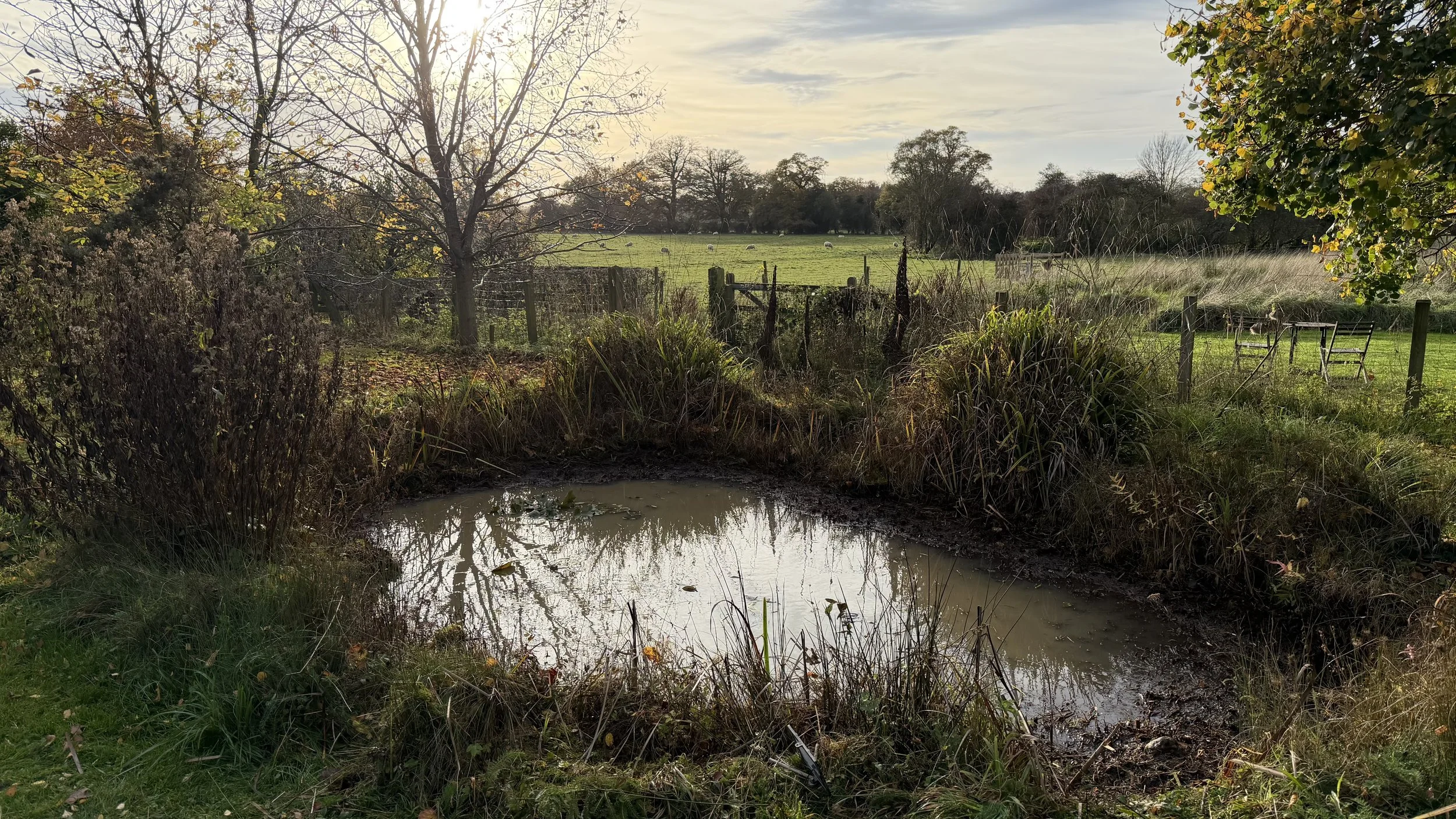
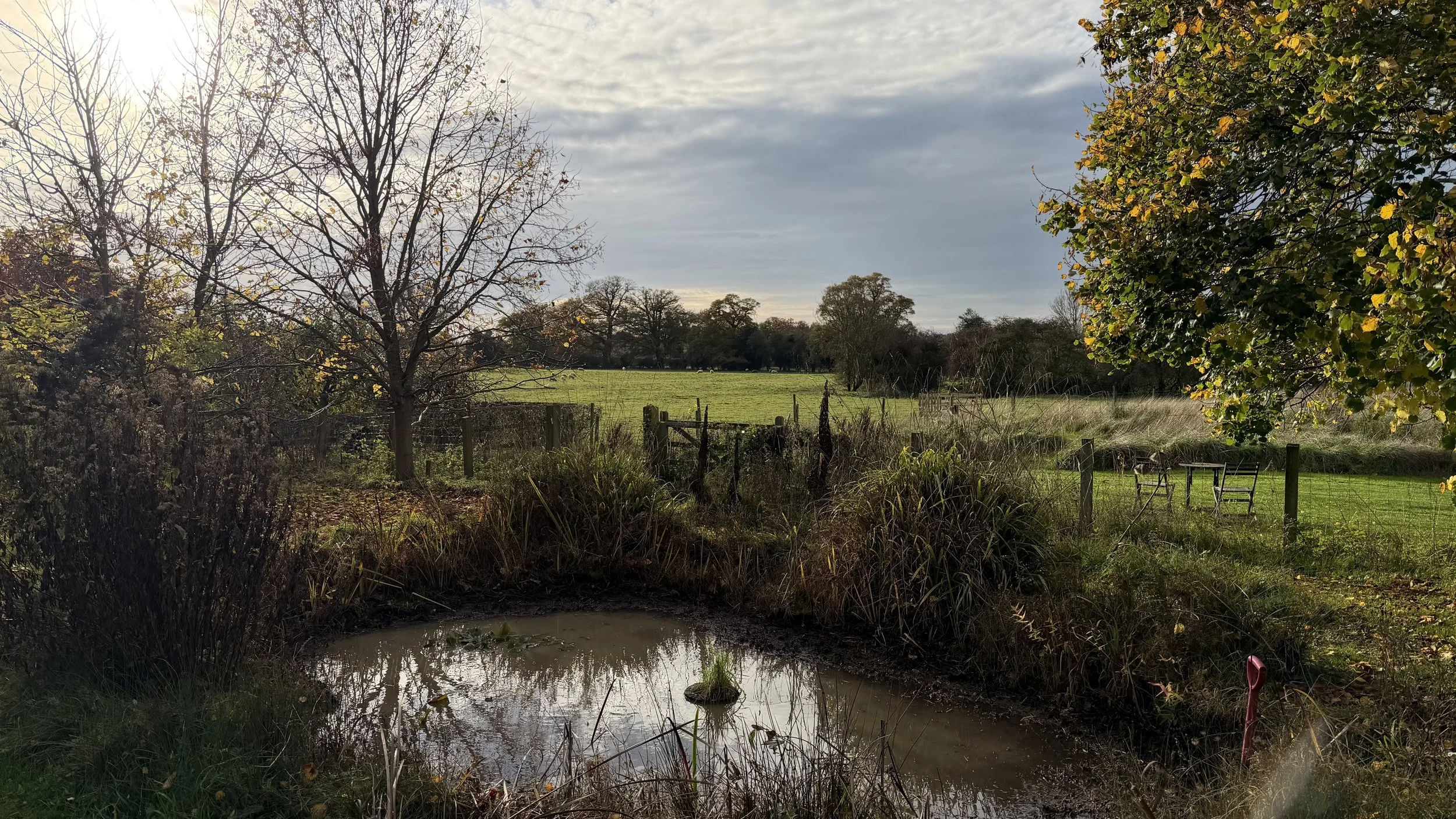
By the time we had finished, the pond no longer blended into the surrounding undergrowth — it stood out as the natural centrepiece it was supposed to be.
The Results: A Revitalised, Wildlife-Friendly Pond
After clearance, the pond looked dramatically different. Open water was restored, and the sunlight hitting the surface made an instant visual impact. Wildlife will now be able to use the pond as intended: newts have access to fresh egg-laying sites, frogs can breed in open areas, dragonflies can patrol over clean water, and birds can safely drink and bathe.
But the benefits go beyond looks:
Better oxygenation
Improved water quality
Slower future silt build-up
Higher species diversity
Longer lifespan for the pond
A well-cleared pond genuinely resets the ecological balance — without removing the wildness that makes ponds special.
Looking for Pond Vegetation Clearance in Norfolk?
If your pond is quietly turning into a reed bed, or you’re noticing murky water, shrinking open areas, or excessive weed growth, it’s time to get professional help. Ponds in Norfolk, Thompson, Watton, Breckland, and the surrounding villages all face the same natural challenges — but with the right management, they can stay healthy for decades.
We provide:
Pond vegetation clearance
Silt and debris removal
Wildlife-friendly pond restoration
Regular pond maintenance packages
One-off pond rejuvenation projects
Work for landowners, estates, farms, and private gardens
If you want your pond restored to full health — and you want the job done properly — get in touch. We’ll take a look, tell you exactly what needs doing, and get your pond back to looking like a real pond again.
Another 5-Star Review ‘Morgan did a fabulous job of clearing out my pond of reeds and general debris. He is very knowledgeable, a hard worker, personable, great communicator and professional. An excellent experience all around and would highly recommend.’